
Senior Consultant Obstetrician & Gynaecologist
Medical Director & Clinical Governance Officer (CGO) of Monash IVF Singapore
Medical Director of Health & Fertility Centre for Women
Gynaecology Services in Singapore
Gynaecology focuses on the health and medical care of the female reproductive system, including the uterus, ovaries, fallopian tubes, cervix and vagina. It covers a wide range of concerns affecting women at different stages of life, from adolescence and reproductive years to menopause and beyond.
Gynaecology typically works alongside obstetrics, which focuses on pregnancy, childbirth and postnatal care. Many obstetricians and gynaecologists (OB/GYNs) provide care across both areas, supporting women with reproductive health concerns, family planning, pregnancy-related needs and general women’s health.
A gynaecologist can help diagnose, monitor and manage various conditions through consultations, physical examinations, imaging tests, screenings and minimally invasive or surgical procedures where required. These may include menstrual disorders, pelvic pain, abnormal bleeding, fertility-related concerns, cervical health screening and conditions affecting the reproductive organs.
Common gynaecological conditions include ovarian cysts, fibroids, endometriosis and polycystic ovarian syndrome. Depending on the condition, treatment options may range from medication and monitoring to surgical procedures such as laparoscopic or hysteroscopic surgery.
Regular gynaecological care also plays an important role in preventive health. Routine check-ups, cervical cancer screening and appropriate assessments can help identify potential concerns early and support long-term reproductive health

Take the First Step Towards Your Health and Fertility Journey
— Schedule a Consultation at 6235 5066

What are Common Gynaecological Conditions?
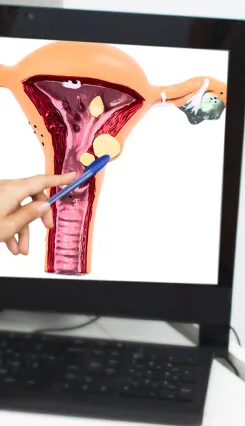
Ovarian Cysts
These are fluid-filled sacs that develop in or on the ovaries, usually during ovulation and menstrual cycles. Ovarian cysts are common and mostly harmless, and typically go away on their own without treatment. For large, persistent or potentially malignant cysts as well as cysts that are associated with severe pain, surgical removal is advised.
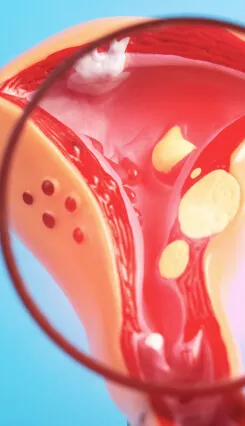
Fibroids
Also known as myomas, fibroids are non-cancerous growths that develop in the uterus. Untreated, they can increase in size and number, causing pelvic pain, heavy menstrual bleeding and frequent urination. Fibroids are treated via hormone therapy, myomectomy, hysterectomy and endometrial embolisation.

Endometriosis
This condition occurs when the endometrium (uterine lining) forms outside the uterus, causing pain, especially during periods and sex. If left untreated, endometriosis can increase the risk of infertility. Treatment options include medications, hormone therapy, hysterectomy and conservative surgery to remove endometrial tissues.

Polycystic Ovary Syndrome (PCOS)
PCOS is a hormonal condition that results in missed or irregular periods, high levels of male hormones and ovarian cysts. As the issue progresses, it increases a woman’s risk of infertility, premature birth, pregnancy loss, and other health complications such as diabetes, high blood pressure and metabolic syndrome. Medications and lifestyle modifications are the primary treatments for PCOS.
How are Gynaecological Conditions Treated?
The mode of treatment will depend on the type and severity of the condition.
Watchful Waiting
Most gynaecological issues, such as ovarian cysts, go away on their own without treatment. Upon initial assessment, the patient is first advised to undergo further testing and wait for a prescribed period before being re-examined to check for any progress or development in symptoms. Watchful waiting is important if the specialist concludes that immediate medical intervention will result in more risks than benefits for the patient. No treatments are given at this point.
Medications
Treating gynaecological problems involves providing relief for any of its more serious symptoms that negatively affect quality of life. Pain medication and nonsteroidal anti-inflammatory drugs (NSAIDs) may be given for patients who have uterine fibroids or ovarian cysts, not to shrink the fibroid or cyst, but simply to help ease discomfort and pain. Vitamins and supplements may also be taken to reduce the risk of anaemia.
Hormonal Therapy
Gynaecological problems are often linked to hormonal issues, thereby making hormonal therapy one of the most prescribed and effective treatments. Similar to medicines, hormonal therapy may not be able to remove certain cysts, fibroids or endometrial tissues. However, they can help relieve symptoms and prevent the progression of such conditions. They are also used to regulate the body’s hormone levels, which reduces the risk of PCOS, ovarian cysts and uterine fibroids. Contraceptive pills or implants like the Mirena intra-uterine device are prescribed to control heavy menstrual bleeding and alleviate pelvic pressure.
Surgery
Surgical procedures are usually performed to treat larger ovarian cysts and fibroids, and endometriosis. Whether done traditionally or laparoscopically, the goal of the operation is to remove the abnormal growths without affecting the reproductive system and nearby organs. Hysterectomy (removal of the uterus) and oophorectomy (removal of one or both ovaries) are considered permanent solutions to treat and prevent the recurrence of fibroids, cysts, endometriosis, and even cancer. However, both procedures permanently prevent pregnancies and are generally seen as a last resort.

Dr Kelly Loi
Medical Director
BMBCh (Oxford), FRCOG (UK), FAMS (Singapore)
Dr Kelly Loi is the Medical Director of Health & Fertility Centre for Women and Monash IVF Singapore. She is known for her work in fertility and women’s health, with a focus on providing personalised and evidence-based care for women at different stages of their reproductive journey.
Dr Loi’s clinical interests include fertility, gynaecology, obstetrics, as well as minimally invasive laparoscopic and hysteroscopic surgery. She supports women through a wide range of reproductive and gynaecological concerns, including menstrual disorders, ovarian cysts, fibroids, endometriosis and PCOS.
She has also completed clinical attachments at internationally recognised institutions including Johns Hopkins Hospital and Massachusetts General Hospital, Harvard Medical School, further deepening her experience in fertility care and reproductive medicine.
Gynaecology Services We Provide


Share your concerns with us
Thank you for considering our clinic. For further information, feel free to contact us at 6235 5066 or submit your enquiry using the form below. We will get back to you promptly.

3 Mount Elizabeth, #15-16, Mount Elizabeth Medical Centre, Singapore 228510
Tel: (65) 6235 5066Fax: (65) 6235 6455 Answering Service: (65) 6535 8833Email: info@healthfertility.com.sg