
Senior Consultant Obstetrician & Gynaecologist
Medical Director & Clinical Governance Officer (CGO) of Monash IVF Singapore
Medical Director of Health & Fertility Centre for Women
Intrauterine Insemination (IUI) in Singapore
IUI, or intrauterine insemination, is a fertility treatment in which a prepared sperm sample is placed directly into the womb around the time of ovulation. It may be considered for selected couples after fertility assessment, depending on ovulation, fallopian tube status, semen parameters, age and treatment goals.
At Health & Fertility Centre for Women, Dr Kelly Loi provides fertility assessment and IUI cycle planning at Mount Elizabeth Medical Centre. During consultation, she will review your fertility history, advise whether IUI is suitable, and explain monitoring, timing, sperm preparation, pregnancy support, risks, cost and next steps.

What Is Intrauterine Insemination (IUI)?
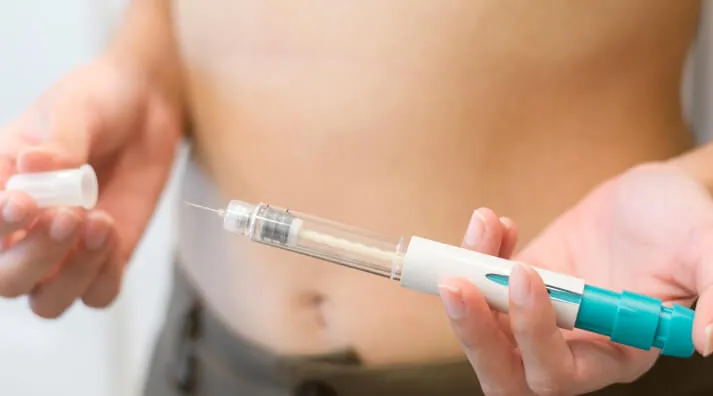
IUI stands for intrauterine insemination. During IUI, a semen sample is prepared in the laboratory so that a concentrated sample of motile sperm can be placed directly into the womb using a fine catheter. The procedure is timed around ovulation so that sperm are closer to the fallopian tubes when an egg is released. The treatment may be combined with superovulation (SO IUI) to improve the chances of conception.
Pregnancy support is given to improve the chances of pregnancy. You should return to the Centre 2 weeks after the insemination (IUI) for a pregnancy test.
Unlike IVF, fertilisation during IUI still occurs inside the body. IUI may be performed in a natural cycle or with fertility medication, depending on your diagnosis and treatment plan.
What Is the Success Rate of IUI?
The success rate for IUI, as with IVF, is largely age dependent. Generally, the pregnancy rate is around 15%. This is equivalent to a healthy couple having regular sexual intercourse throughout the month.
Take the First Step Towards Your Health and Fertility Journey
— Schedule a Consultation at 6235 5066

Who May Be Suitable for IUI?
IUI may be considered for selected couples with unexplained infertility, ovulation-related concerns, cervical factors or mild semen parameter issues. It may also be discussed when pregnancy has not occurred after a period of trying and initial fertility assessment suggests that IUI is a reasonable step before IVF.
IUI may not be suitable for every patient. If the fallopian tubes are blocked or unhealthy, if semen parameters are significantly affected, or if age and fertility history suggest a lower chance with IUI, your doctor may discuss IVF or another treatment pathway instead.
How Do IUI Differ from SO-IUI and IVF?
IUI may be performed in a natural cycle or as SO-IUI. In SO-IUI, medication is used to stimulate the ovaries, and ultrasound scans are performed to monitor follicle growth before insemination is timed around ovulation.
IVF is different because eggs are collected and fertilised with sperm outside the body before an embryo is transferred into the womb. Your doctor will advise whether IUI, SO-IUI, IVF or another approach is more appropriate based on age, ovarian reserve, fallopian tube status, semen analysis, diagnosis and previous treatment response.
| Treatment | What It Involves | Patient Relevance |
|---|---|---|
| IUI | Prepared sperm is placed into the womb around ovulation. | May be considered after fertility assessment when the tubes and semen parameters are suitable. |
| SO-IUI | Medication stimulates the ovaries and ultrasound monitoring tracks follicle growth before IUI. | May be used when controlled ovarian stimulation is part of the plan. |
| IVF | Eggs and sperm are combined outside the body before embryo transfer. | May be discussed when IUI is less suitable or after unsuccessful IUI cycles. |
IUI
What It Involves
Prepared sperm is placed into the womb around ovulation.
Patient Relevance
May be considered after fertility assessment when the tubes and semen parameters are suitable.
SO-IUI
What It Involves
Medication stimulates the ovaries and ultrasound monitoring tracks follicle growth before IUI.
Patient Relevance
May be used when controlled ovarian stimulation is part of the plan.
IVF
What It Involves
Eggs and sperm are combined outside the body before embryo transfer.
Patient Relevance
May be discussed when IUI is less suitable or after unsuccessful IUI cycles.
How an IUI Cycle Is Timed
An IUI cycle is planned around ovulation. At the start of the cycle, your clinic will advise when to attend for assessment and monitoring. Ultrasound scans may be used to check the number and size of follicles developing in the ovary. In some cycles, medication may be given to stimulate follicle development or trigger ovulation.
Insemination is timed close to ovulation. After the procedure, pregnancy support may be prescribed if appropriate, and a pregnancy test is usually arranged about two weeks later.
| Cycle Stage | What Patients Can Usually Expect |
|---|---|
| Cycle start | Patient contacts the clinic when menstruation begins or as instructed. |
| Monitoring | Ultrasound scans and/or blood tests may track follicle growth and ovulation timing. |
| Ovulation timing | A trigger injection or natural ovulation tracking may be used, depending on plan. |
| Insemination | The prepared sperm sample is placed into the womb around the expected time of ovulation. |
| Pregnancy test | A pregnancy test is usually arranged about two weeks after insemination. |
Cycle start
What Patients Can Usually Expect
Patient contacts the clinic when menstruation begins or as instructed.
Monitoring
What Patients Can Usually Expect
Ultrasound scans and/or blood tests may track follicle growth and ovulation timing.
Ovulation timing
What Patients Can Usually Expect
A trigger injection or natural ovulation tracking may be used, depending on plan.
Insemination
What Patients Can Usually Expect
The prepared sperm sample is placed into the womb around the expected time of ovulation.
Pregnancy test
What Patients Can Usually Expect
A pregnancy test is usually arranged about two weeks after insemination.
Semen Sample and Sperm Preparation
On the day of IUI, the male partner may be asked to provide a semen sample according to clinic or laboratory instructions. The sample is processed before insemination to concentrate motile sperm and remove seminal fluid.
The clinic will advise collection timing, abstinence instructions, container use and transport requirements. If semen analysis shows significant sperm count, movement or shape concerns, your doctor may discuss whether IUI remains suitable or whether another treatment may be more appropriate.
What Happens After IUI Treatment?
After IUI, your doctor may prescribe pregnancy support medication if it is appropriate for your cycle. Follow the instructions given by the clinic and do not stop medication unless advised.
A pregnancy test is usually arranged about two weeks after insemination. If the test is positive, the clinic will advise the next steps for early pregnancy care. If the test is negative, your doctor can review the cycle and discuss whether to repeat IUI, adjust the plan or consider another treatment pathway such as IVF.
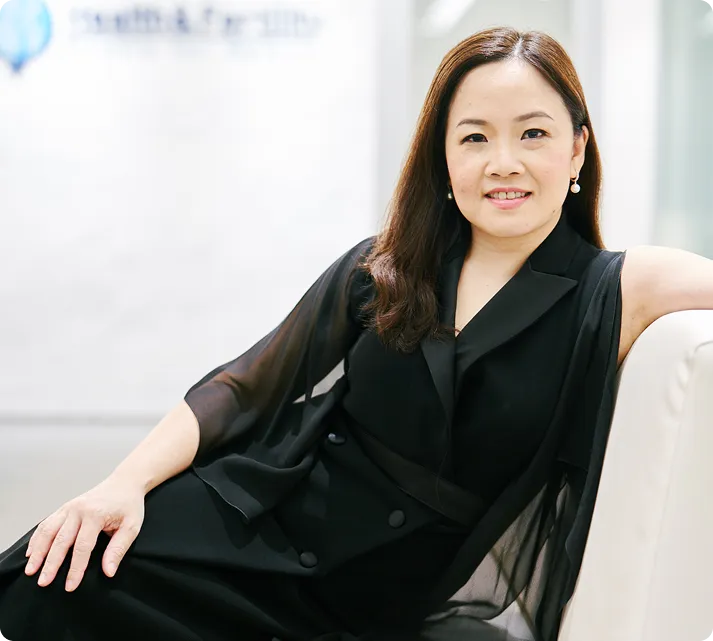
Dr Kelly Loi
Medical Director
BMBCh (Oxford), FRCOG (UK), FAMS (Singapore)
Dr Kelly Loi is the Medical Director of Health & Fertility Centre for Women and Monash IVF Singapore. She is known for her work in fertility and women’s health, with a focus on providing personalised and evidence-based care for women at different stages of their reproductive journey.
Dr Loi’s clinical interests include fertility, gynaecology, obstetrics, as well as minimally invasive laparoscopic and hysteroscopic surgery. She supports women through a wide range of gynaecological concerns and reproductive treatments, including IUI.
She has also completed clinical attachments at internationally recognised institutions including Johns Hopkins Hospital and Massachusetts General Hospital, Harvard Medical School, further deepening her experience in fertility care and reproductive medicine.
Gynaecology Services We Provide


Share your concerns with us
Thank you for considering our clinic. For further information, feel free to contact us at 6235 5066 or submit your enquiry using the form below. We will get back to you promptly.

3 Mount Elizabeth, #15-16, Mount Elizabeth Medical Centre, Singapore 228510
Tel: (65) 6235 5066Fax: (65) 6235 6455 Answering Service: (65) 6535 8833Email: info@healthfertility.com.sg